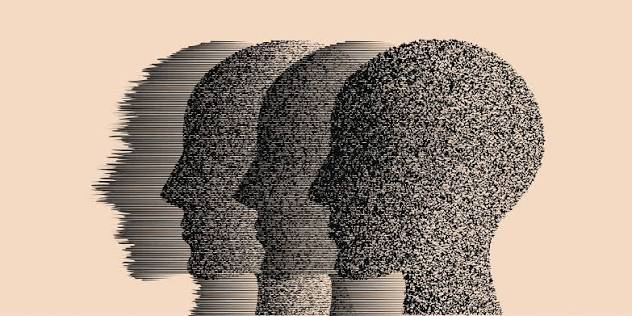
The belief “I am a burden” is one of the most common core wounds I see in therapy. It doesn’t come from weakness or neediness – it comes from survival learning. When someone grows up in environments where their needs weren’t met, were punished, or were too heavy for the adults around them, the nervous system adapts by shrinking.
This belief is not a personality trait. It’s a trauma-shaped strategy.
Evidence-Based Origins of the Belief
- Attachment Patterns (Bowlby, Ainsworth)
Research shows that children who receive inconsistent or rejecting care often internalize beliefs like:
- “My needs overwhelm people.”
- “I should handle things alone.”
- “If I ask for help, I’ll be met with anger or withdrawal.”
Example: A child cries for comfort and is told, “Stop being dramatic.” The nervous system learns: My emotions burden others.
- Chronic Invalidating Environments (Linehan, DBT)
Invalidation teaches people that their internal experiences are “too much,” “wrong,” or “inconvenient.”
Example: A teen expresses stress about school and hears, “You’re making a big deal out of nothing.” Over time, they conclude: My feelings cause problems.
- Parentification & Role Reversal (Family Systems Research)
When children become emotional caregivers for adults, they learn that their own needs are secondary – or dangerous.
Example: A child comforts a parent during panic attacks or depressive episodes. They learn: If I need something, it will make things worse.
- Trauma & Hypervigilance (Polyvagal Theory, Porges)
Trauma teaches the nervous system to scan for threat. For many, “threat” includes disappointing or burdening others.
Example: Growing up in a home with unpredictable anger, a child becomes quiet, self-sufficient, and overly accommodating. Their body learns: Stay small to stay safe.
- Cognitive Distortions (Beck’s Cognitive Behavioral Therapy)
Trauma often produces predictable thinking patterns:
- Personalization: “If someone is stressed, it must be my fault.”
- Catastrophizing: “If I ask for help, it will cause a problem.”
- Emotional Reasoning: “I feel like a burden, so it must be true.”
How “I Am a Burden” Shows Up in Adulthood
Behavioral Signs
- Over-apologizing for having needs or emotions
- Avoiding asking for help even when overwhelmed
- People-pleasing to avoid conflict or rejection
- Pulling away when struggling
- Taking on too much to avoid inconveniencing others
Internal Experiences
- Guilt for needing support
- Shame after expressing emotion
- Fear of being “too much”
- Feeling responsible for others’ moods
- Believing others are “just being nice”
Why This Belief Feels So True (Even When It Isn’t)
Neurobiological Reinforcement – The brain’s threat system (amygdala) becomes sensitized by trauma. When you consider asking for help, your body may react as if danger is imminent – tight chest, racing thoughts, urge to withdraw. This isn’t weakness. It’s conditioning.
Memory Bias – People remember moments of rejection more vividly than moments of support (negativity bias). If you grew up with rejection, your brain overweighs those memories.
Learned Safety Behaviors – Avoiding needs or shrinking yourself may have worked in childhood. Your brain keeps using the strategy because it once kept you safe.
What’s Actually True: A Reframe Based on Research
- Needs Are Normal: Attachment research shows that humans are wired for co-regulation. Needing support is not a burden – it’s biology.
- Healthy Relationships Expect Mutual Care: Studies on relationship satisfaction consistently show that people feel closer when they can support each other. Your needs don’t push people away – they create connection.
- Your Nervous System Is Reacting to the Past, Not the Present: Trauma responses are time travelers. Your body is responding to old danger, not current reality.
Evidence-Based Ways to Challenge the Belief
- Cognitive Restructuring (CBT)
Identify the thought —> examine evidence —> create a balanced alternative.
Example:
Thought: “I’m bothering my friend.”
Evidence: They check in regularly, respond warmly, and say they care.
Balanced Belief: “My friend chooses to support me.”
- Opposite Action (DBT)
If the urge is to withdraw, try a small act of connection instead.
Example: Send a brief text: “Can I share something small I’m struggling with?”
- Attachment Repair (EFT, ACT)
Practice receiving care in small doses.
Example: Let someone hold space for a feeling for 30 seconds. Notice the discomfort – and the safety.
- Somatic Regulation (Polyvagal)
Work with the body, not just the thoughts.
Example: Place a hand on your chest and breathe slowly. Tell your nervous system: “It’s safe to be seen.”
- Relational Experiments
Try tiny asks:
- “Can you remind me of something?”
- “Can you sit with me while I talk through this?”
- “Can I share something I’m feeling?”
These build new neural pathways.
A More Compassionate Belief to Grow Toward
“My needs matter. My presence has weight, not burden.” Healing doesn’t mean becoming dependent – it means becoming connected.

Leave a comment