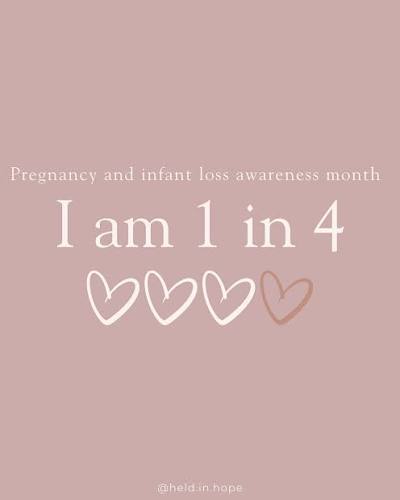
October is Pregnancy and Infant Loss Awareness Month – a time dedicated to honoring the babies who were deeply loved, remembered, and mourned. This month is personally important to me and I wanted to bring awareness to all who take the time to read this blog post.
For many people, pregnancy loss is an invisible grief.
There may not be a funeral.
There may not be family photos.
There may not be memories of birthdays or holidays together.
But there are hopes.
There are dreams.
There are names that were whispered.
There are futures that were imagined.
And there is love.
Whether the pregnancy ended through miscarriage, stillbirth, ectopic pregnancy, neonatal loss, or another form of pregnancy or infant loss, the grief is real. It deserves acknowledgment, compassion, and space.
Pregnancy Loss Is More Common Than Many People Realize
Pregnancy loss is far more common than most people think, yet many people don’t realize this because it is so rarely talked about. Research suggests that about 1 in 4 recognized pregnancies ends in miscarriage, and many losses occur before someone has even shared the news with family or friends.
When something is common, it doesn’t make it any less painful.
Common does not mean easy.
Common does not mean insignificant.
Every loss represents a unique relationship, a unique hope, and a unique story.
There Is No “Right” Way to Grieve
Grief after pregnancy loss doesn’t follow a timeline.
Some people cry every day. Others feel numb. Some return to work quickly because routine feels comforting. Others find it difficult to get out of bed. Some want to talk about their baby constantly. Others protect their grief by keeping it private. There is no correct way to mourn. Grief is deeply personal.
You may find yourself grieving not only the pregnancy itself, but also the future you imagined – the birthdays, family traditions, first days of school, or simply the chance to know the child you hoped to meet.
That grief is valid.
The Emotional Impact Can Be Long-Lasting
Many people experience anxiety, depression, guilt, anger, or symptoms of trauma after pregnancy loss.
It’s also common to struggle with:
- Fear during future pregnancies
- Feeling disconnected from your body
- Difficulty trusting your body again
- Jealousy or sadness when others announce pregnancies
- Feeling isolated because others don’t understand
- Questioning your identity or future
These experiences don’t mean you’re “not coping well.” They mean you’re grieving.
The Things We Say Matter
Often, people want to help but don’t know what to say. Unfortunately, well-intentioned comments can unintentionally minimize someone’s pain. Following my person experience with this topic, a very well meaning person said “What’s crying going to do? It’s not going to bring your baby back”. While they meant well, it was extremely invalidating.
Instead of saying:
- “Everything happens for a reason.”
- “At least you know you can get pregnant.”
- “You can always try again.”
- “It was early.”
- “At least you have other children.”
Consider saying:
- “I’m so sorry.”
- “I’m thinking about you.”
- “I’m here to listen if you want to talk.”
- “Your baby mattered.”
- “I remember.”
You don’t have to have perfect words. Being present is often the greatest gift you can offer.
Healing Doesn’t Mean Forgetting
One of the biggest misconceptions about grief is that healing means moving on. In reality, many people don’t want to move on. They want to move forward while continuing to carry the love they have for their baby.
Healing might look like:
- Lighting a candle on meaningful dates.
- Planting a tree or flowers.
- Wearing a piece of memorial jewelry.
- Writing letters to your baby.
- Participating in remembrance walks.
- Talking openly about your experience.
- Allowing yourself to feel joy without believing it means you’ve forgotten.
Love doesn’t disappear simply because someone is no longer physically here.
If You’re Struggling This Month
If October feels heavy for you, know that you’re not alone.
Give yourself permission to:
- Decline invitations if you need rest.
- Mute social media accounts if pregnancy announcements feel overwhelming.
- Ask for support.
- Talk with a therapist.
- Honor your baby in whatever way feels meaningful to you.
- Experience moments of happiness without guilt.
Grief is not something to “get over.” It is something we learn to carry. And some days it feels heavier than others.
To Anyone Who Has Experienced Pregnancy or Infant Loss
Whether your loss happened weeks ago or decades ago…
Whether your pregnancy ended at six weeks or thirty-six…
Whether anyone else knew…
Whether you’ve talked about it or carried it quietly…
Your grief is real. Your love is real. Your baby mattered.
This Pregnancy and Infant Loss Awareness Month, may we create more space for honest conversations, compassionate listening, and the reminder that no one should have to grieve in silence.
If this month is especially difficult for you, I hope you can offer yourself the same kindness you would offer someone you love. Healing doesn’t require forgetting. It simply asks us to keep making room for both love and grief.
Because both can exist together.
As a therapist, I have the privilege of supporting people through many kinds of grief. As someone who has also experienced miscarriage, I know this month can bring up many emotions. My hope is that if you’re reading this because of your own loss, you leave knowing one thing: you are not alone.

Leave a comment