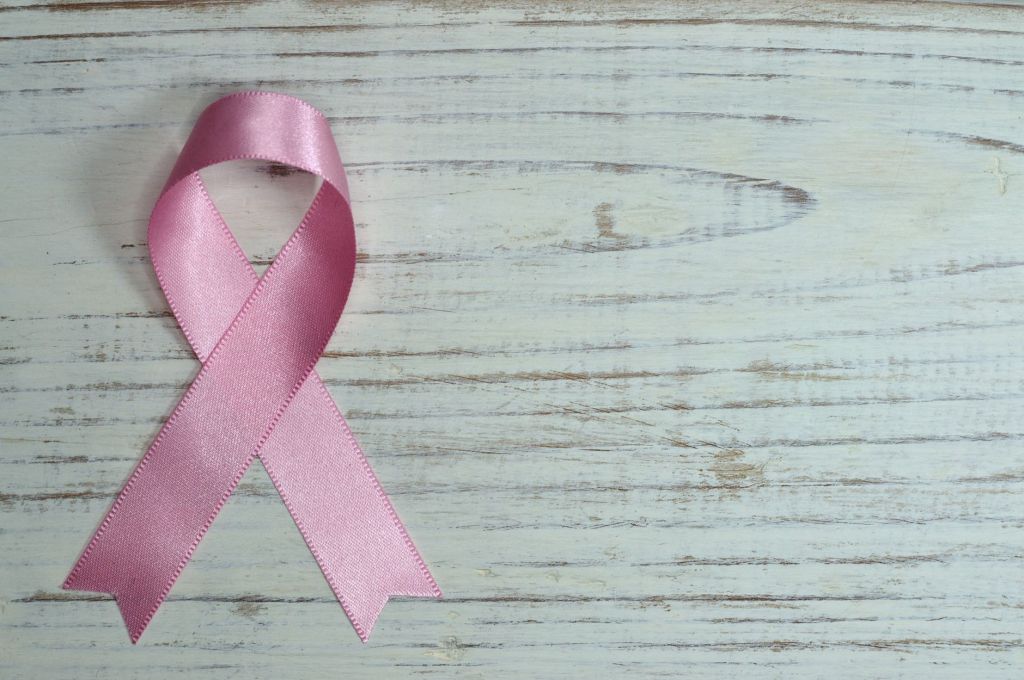
Every October, we see pink ribbons on store shelves, fundraising walks in our communities, and reminders to schedule mammograms. National Breast Cancer Awareness Month is an opportunity to increase awareness about screening, early detection, and support for those affected by breast cancer.
But there’s another part of the conversation that deserves just as much attention: mental health.
A breast cancer diagnosis doesn’t only affect the body. It can impact every aspect of a person’s emotional, psychological, and social well-being. And it’s not just those diagnosed who feel the effects – partners, children, parents, siblings, friends, and caregivers, often experience their own emotional challenges along the way.
The Emotional Impact of Breast Cancer
There is no “right” way to respond to a breast cancer diagnosis.
Some people feel shock or disbelief. Others experience fear, sadness, anger, numbness, or even guilt. Many people cycle through a wide range of emotions, sometimes all within the same day.
It’s also common to experience:
- Anxiety while waiting for test results or scans
- Fear of recurrence, even after treatment has ended
- Grief over changes to your body or identity
- Depression or loss of interest in activities you once enjoyed
- Difficulty sleeping or concentrating
- Feelings of uncertainty about the future
These reactions are not signs of weakness – they are understandable responses to a life-changing experience.
When Treatment Ends, the Emotional Journey Often Continues
One misconception about cancer is that emotional healing begins the moment treatment ends.
In reality, many survivors describe the opposite.
During treatment, appointments, medications, and medical teams create structure and a clear focus. When treatment is over, people are often expected to “get back to normal.”
But what if life doesn’t feel normal anymore?
Many survivors continue to navigate:
- Fear before follow-up appointments or scans (“scanxiety”)
- Changes in body image after surgery or treatment
- Fatigue that others may not understand
- Shifts in relationships
- Questions about identity, purpose or the future
Healing isn’t just physical. Emotional recovery deserves time and support, too.
Body Image and Self-Compassion
Breast cancer treatment can change how someone relates to their body.
Scars, hair loss, reconstruction, mastectomy, weight changes, menopause symptoms, or ongoing physical limitations can leave people feeling disconnected from the body they once knew.
It’s okay to grieve those changes.
At the same time, healing often involves learning to approach the body with curiosity and compassion rather than criticism.
Your body is not defined by how it looks.
Your worth has never depended on having a body that fits society’s expectations.
Your body has carried you through something incredibly difficult.
That doesn’t mean you have to love every change. But perhaps, over time, you can begin to appreciate what your body has endured and what it continues to do for you each day.
Caregivers Need Care, Too
Breast cancer affects entire families. Partners may feel helpless. Children feel confused or scared. Adult children often find themselves balancing caregiving with work and parenting. Friends may worry about saying the wrong thing and pull away, even when they care deeply. Caregivers frequently put their own needs on hold while focusing on someone they love. Yet caregivers are also at increased risk for stress, anxiety, burnout, and depression.
Supporting someone else is important – and your own mental health matters, too.
It’s Okay to Ask for Help
Whether you’re newly diagnosed, in treatment, living with metastatic breast cancer, or years into survivorship, you don’t have to navigate the emotional impact alone.
Support might look like:
- Talking with a therapist
- Joining a cancer support group
- Leaning on trusted friends or family
- Connecting with others who have shared similar experiences
- Practicing mindfulness or relaxation techniques
- Allowing yourself to rest without guilt
Seeking support isn’t giving up. It’s recognizing that healing happens in community.
How You Can Support Someone With Breast Cancer
If someone you care about has breast cancer, remember that you don’t need to have the perfect words. Often, the most meaningful support is simply showing up.
Instead of saying:
- “Everything happens for a reason.”
- “Stay positive.”
- “At least…”
Try:
- “I’m here with you.”
- “This sounds incredibly hard.”
- “You don’t have to go through this alone.”
- “How can I support you today?”
Sometimes being present is far more healing than trying to fix the situation.
This October, Let’s Expand the Conversation
National Breast Cancer Awareness Month reminds us of the importance of early detection and advances in treatment.
Let’s also remember that emotional healing is part of the journey.
Mental health is health.
If you or someone you love has been affected by breast cancer, know that whatever you’re feeling is valid. You don’t have to carry it alone, and you don’t have to pretend you’re okay when you’re not.
As we wear pink this October, let’s also make space for honest conversations about fear, grief, hope, resilience, and healing.
Because caring for the mind is just as important as caring for the body.

Leave a comment