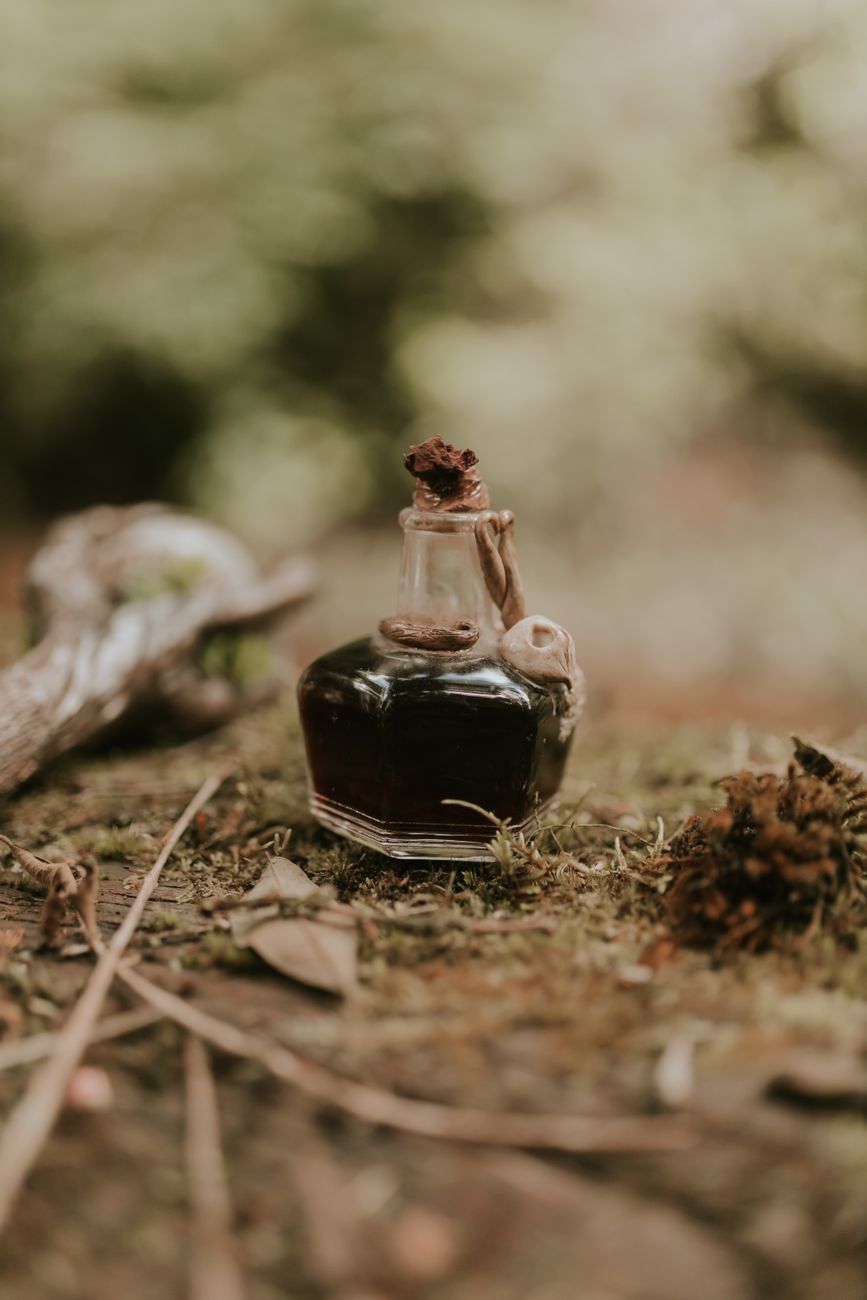
When we think of potions, we usually picture bubbling cauldrons, mysterious ingredients, and a little bit of magic. While I can’t promise that eye of newt will help your anxiety, I can tell you this: the most effective “emotional potions” aren’t magical at all – they’re intentional.
Many of us wait until we’re overwhelmed before asking, “What can I do to feel better?” But research consistently shows that coping skills work best when they’re practiced regularly, not just during moments of crisis.
Instead of searching for one perfect solution, consider creating your own emotional potion: a personalized recipe made up of small, evidence-based ingredients that support your mental health.
Why One Coping Skill Isn’t Enough
If you’ve ever tried deep breathing while your mind was racing and thought, This isn’t working, you’re not alone.
One of the biggest misconceptions about mental health is that there’s a single coping skill that works every time. In reality, our emotional well-being is influenced by many different factors. Sleep, stress, relationships, movement, thoughts, physical health, and our environment all affect how we’re feeling.
Think of it like baking. You wouldn’t expect flour alone to make a cake. Likewise, one coping skill usually isn’t enough to carry you through life’s challenges.
The goal isn’t to find the coping skill. It’s to build your recipe.
The Ingredients
Everyone’s emotional potion will look different, but here are some ingredients supported by psychological research.
A Scoop of Self-Compassion
Many people respond to emotional pain with criticism.
“I shouldn’t feel this way.”
“Why can’t I just get over it?”
Research by psychologist Kristin Neff has shown that self-compassion is associated with lower anxiety, depression, and shame while increasing resilience and emotional well-being.
Try asking yourself:
- What would I say to someone I love if they were feeling this way?
- Can I offer myself that same kindness?
A Dash of Mindfulness
Mindfulness isn’t about clearing your mind or eliminating thoughts.
It’s about noticing what’s happening in the present moment without immediately trying to change it.
Research has found that mindfulness can reduce stress, improve emotional regulation, and decrease rumination.
Try pausing to notice:
- Five things you can see
- Four things you can touch
- Three things you can hear
- Two things you can smell
- One thing you can taste
Sometimes the goal isn’t feeling better immediately – it’s helping your nervous system recognize that you’re safe in the present moment.
A Spoonful of Movement
Movement doesn’t have to mean intense workouts. Even a 10-minute walk has been shown to improve mood, reduce stress hormones, and increase energy.
Ask yourself: “What kind of movement would feel supportive today?”
Maybe it’s stretching.
Maybe it’s dancing in your kitchen.
Maybe it’s walking around the block while listening to your favorite playlist.
A Sprinkle of Behavioral Activation
One of the sneakiest parts of anxiety and depression is that they convince us to stop doing the very things that help us feel better.
Behavioral activation – a well-researched treatment approach for depression – encourages us to take small, meaningful actions even when motivation is low. Instead of waiting to feel motivated, ask: “What’s one tiny action Future Me will appreciate?”
That might be:
- Taking a shower
- Opening the curtains
- Responding to one email
- Drinking a glass of water
- Folding one load of laundry
Small actions create momentum.
A Cup of Connection
Humans are wired for connection. When we’re struggling, our brains often tell us to withdraw. Unfortunately, isolation tends to make anxiety, depression, and shame louder.
Connection doesn’t have to mean sharing your deepest secrets. It could be:
- Texting a friend
- Sitting with someone you trust
- Petting your dog
- Going to your favorite coffee shop
- Attending therapy
Healthy connection reminds our nervous system that we don’t have to do everything alone.
A Pinch of Values
Acceptance and Commitment Therapy (ACT) teaches that while we can’t always control our emotions, we can choose actions that move us toward the kind of person we want to be.
Ask yourself: “What kind of person do I want to be today?” Maybe the answer is:
- Kind
- Curious
- Brave
- Honest
- Patient
Then ask: “What’s one small action that reflects that value?” Values give us direction, even when emotions are messy.
Don’t Forget the Secret Ingredient: Flexibility
Here’s the tricky part. The emotional potion that worked yesterday might not work today.
Some days you’ll need rest.
Some days you’ll need movement.
Some days you’ll need boundaries.
Some days you’ll need laughter.
Psychological flexibility – the ability to adapt our responses to different situations – is one of the strongest predictors of emotional well-being. Rather than asking, “What’s wrong with me?” try asking: “What do I need right now?”
Create Your Own Emotional Potion
Grab a piece of paper and write down the ingredients that help you feel more grounded, connected, or resilient. Here are a few ideas to get started:
- A walk outside
- Eight hours of sleep
- Medication (if prescribed)
- Therapy
- Journaling
- Music
- Prayer or meditation
- Stretching
- Deep breathing
- Time with pets
- A warm shower
- Reading
- Calling a friend
- Healthy meals
- Boundaries
- Humor
- Creativity
- Spending time in nature
Keep your list somewhere visible. When stress shows up, you won’t have to wonder what might help you – you’ll already have your recipe.
Final Thoughts
Mental health isn’t about finding a magical cure or eliminating difficult emotions forever. It’s about building a life that gives your mind and body repeated opportunities to recover, reconnect, and respond with intention.
This October, instead of searching for magic, try mixing your own emotional potion.
You might discover that the most powerful ingredients have been within reach all along.
Resources
If you’d like to learn more about the coping strategies discussed in this post, these organizations provide reliable, evidence-based information:
- American Psychological Association (APA) – Articles on stress management, resilience, self-compassion, and mental health. https://www.apa.org
- National Institute of Mental Health (NIMH) – Information on anxiety, depression, coping, and treatment options. https://www.nimh.nih.gov
- Substance Abuse and Mental Health Services Administration (SAMHSA) – Mental health education, coping resources, and crisis support. https://www.samhsa.gov
- DBT Self Help – Accessible explanations of Dialectical Behavior Therapy Skills, including mindfulness, distress tolerance, emotion regulation, and interpersonal effectiveness. https://dbtselfhelp.com
- The Center for Clinical Interventions (CCI) – Free, evidence-based workbooks on anxiety, depression, perfectionism, self-esteem, worry, procrastination, and more. https://www.cci.health.wa.gov.au
- Mindful.org – Practical introductions to mindfulness and meditation grounded in current research. https://www.mindful.org
- The Greater Good Science Center (UC Berkeley) – Research and practical exercises on self-compassion, gratitude, connection, and well-being. https://greatergood.berkeley.edu

Leave a Reply