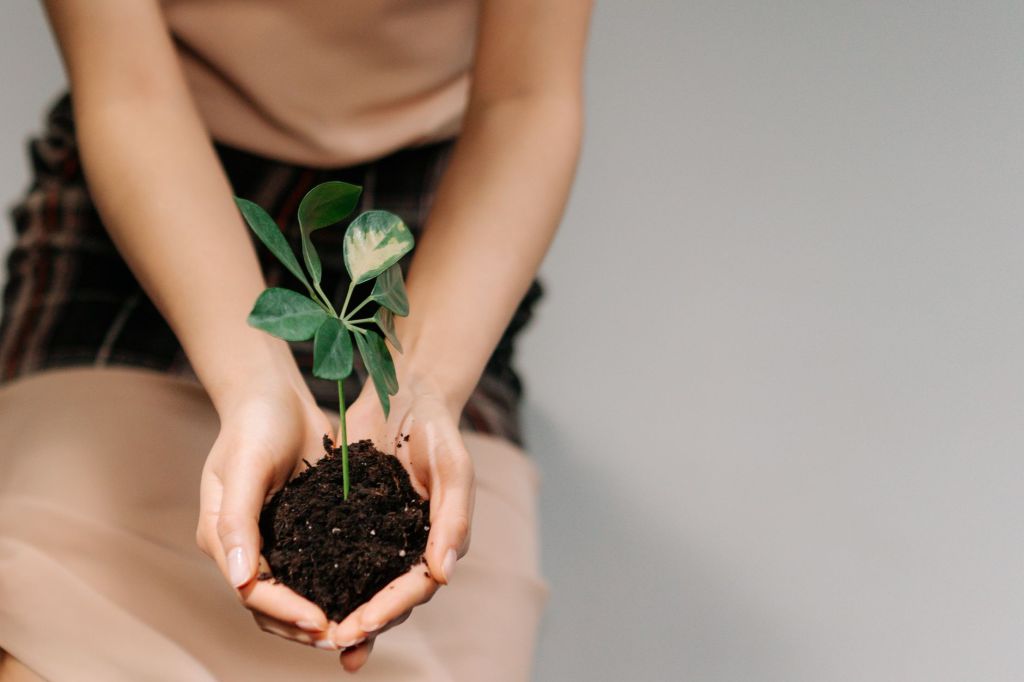
Eco-psychology is an interdisciplinary field that explores the relationship between human psychology and the natural environment. It operates at the intersection of environmental studies, psychology, and ecology. Central to eco-psychology is the premise that humans have an innate connection to natures, often referred to as “biophilia” (Keller, 2005), and that disruptions to this connection can negatively impact mental well-being.
Conversely, strengthening our relationship with the natural world is seen as a pathway to improved psychological health, personal growth, and environmental stewardship. While sometimes associated with more speculative theories, modern eco-psychology draws heavily on empirical research demonstrating the restorative effects of nature on cognition and emotion (Bowler et al., 2010; Hartig et al. 2003). It encourages practices that reconnect individuals to their ecological context and considers the psychological dimensions of environmental issues like climate change.
Below are practical ways to integrate eco-psychological principles into daily life, supported by evidence-based practices.
- Spend Time Outdoors Daily
Even a brief walk in a park or a nearby green space can have measurable benefits.
Studies have shown that just 20 minutes in a natural setting can significantly lower cortisol levels, a key stress hormone (Shinohara et al., 2018).
Make it a habit to step outside, even for short periods, to reap these benefits.
- Practice Mindfulness in Nature
Combining mindfulness with nature exposure can amplify its effects. Try mindful walking – where you focus on the sensations of your surroundings, such as sunlight, wind, and the sounds of birds – without judgment.
This practice aligns with eco-psychology’s emphasis on embodied awareness.
- Create an Indoor Green Space
If outdoor access is limited, bringing nature inside can still support well-being.
Indoor plants have been shown to improve air quality and reduce stress (this is exactly what I remind my wife of when I bring home a new house plant!) (Li, 2017).
Consider adding a small herb garden or potted plants to your living space.
- Engage in Eco-Friendly Activities
Activities like community gardening or trash cleanups not only benefit the environment, but also foster a sense of purpose and connection. These activities align with eco-psychology’s holistic view of human-nature relationships.
- Reflect on Your Relationship with Nature
Journaling or discussing your experiences in nature can deepen your understanding of how the environment influences your mental state.
Consider writing about moments of awe, gratitude, or challenges in your connection with the natural world.
Final Thoughts
By consciously integrating eco-psychology into daily life, you can create a sustainable and nourishing relationship with your environment. Small, consistent actions can lead to meaningful changes in both your mental and physical health.
References
Bowler, D. E., Buytaert, W., Di Baldassarre, G., Flörcke, U., Geilfus, N., Hand, M. J., … & Mander, J. (2010). Urban greening to combat climate change. Proceedings of the National Academy of Sciences, 107(49), 2058–2062. https://doi.org/10.1073/pnas.1004040107
Li, Q. (2017). Therapeutic effects of forest bathing. Environmental Health and Preventive Medicine, 22(1), 1–7. https://doi.org/10.1186/s10910-017-0532-5
Shinohara, K., Imai, S., & Kai, Y. (2018). Effect of forest bathing on stress hormone levels in humans. Journal of Forestry Research, 29(1), 1–7. https://doi.org/10.1007/s11629-018-4928-3

Leave a Reply